
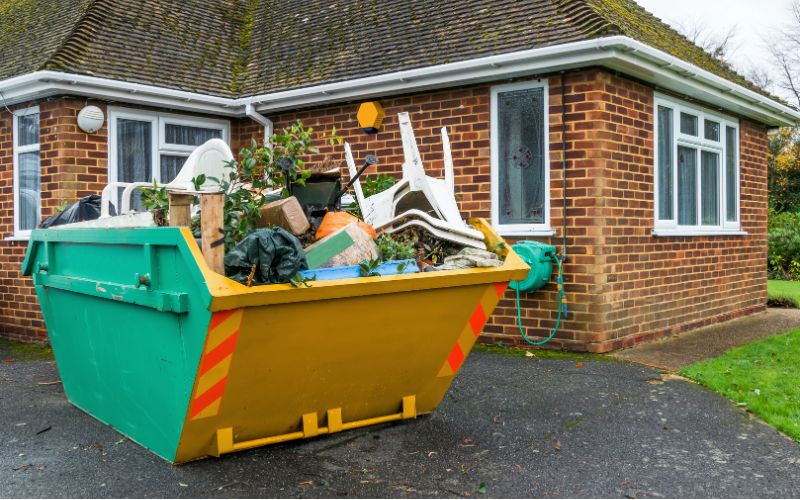
But those two answers depend on three factors: the size you choose, the surface you have, and how you prepare for delivery. Whether you’re doing an industrial cleanout, managing waste on a building site, or emptying out a house, if you do those things correctly, the entire procedure is simple. Get them wrong and you’re left with a bin that won’t fit, a cracked surface, or a failed delivery.
From skip bins in Newcastle and beyond, Best Bins has put thousands of bins throughout residential premises, commercial buildings, and industrial sites. You may book with total confidence because this guide provides you with all the information we know about bin dimensions, clearance requirements, surface risks, and how to protect them.
How Big Is a Skip Bin, Really?
Skip bins come in a range of sizes, and the physical footprint changes significantly depending on which one you choose.
Here’s a general guide to common skip bin dimensions.
Most residential skip bins fall between 2m³ and 6m³. These are the sizes that are most frequently found in residential driveways, and they were created with typical suburban access in mind.
Will a Skip Bin Fit in a Standard Australian Driveway?
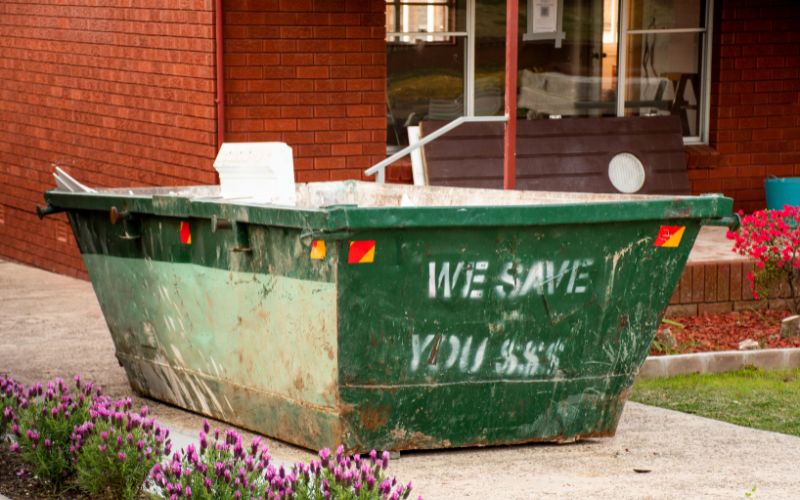
The short answer: in most cases, yes.
A standard Australian single driveway is typically 2.7m to 3.5m wide and at least 5m to 6m long from the kerb to the garage. That’s enough room for most small to medium skip bins.
However, a few things can complicate the fit:
- Narrow driveways – Some older properties have driveways under 2.5m wide. A large bin may not fit safely.
- Low overhangs or carports – Bins are delivered by hook-lift or skip truck. The truck needs clear vertical clearance of at least 4.5m to 5m to lift and drop the bin.
- Sloped driveways – Steep inclines can make it difficult to position a bin level and stable.
- Parked cars – The delivery truck needs enough space to manoeuvre. Aim to clear at least 6 – 8m of driveway on delivery day.
If you’re unsure about your driveway dimensions, measure the width and length before booking. It takes two minutes and saves a failed delivery.
Clearance You Need Around the Bin
The bin itself isn’t the only thing taking up space. The delivery truck needs room to operate safely.
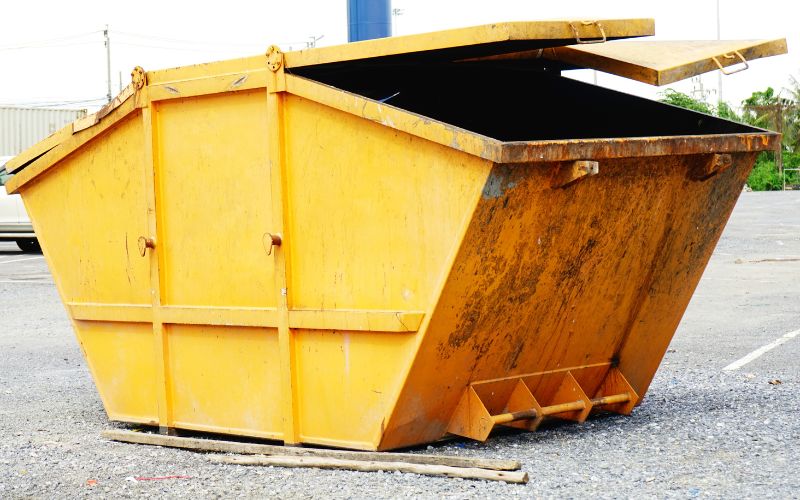
Here’s what to plan for:
- Overhead clearance: At least 4.5m of vertical clearance above where the bin will sit. Watch for low-hanging tree branches, pergolas, or power lines.
- Side clearance: Leave at least 0.5m on either side of the bin where possible. This makes loading easier and avoids bin edges scraping walls or fences.
- Access width for the truck: Skip trucks are typically 2.5m to 3m wide. Your driveway entry or street access needs to accommodate this.
- Turning space: The driver may need to reverse or reposition. Having a clear street frontage helps.
If you have a double driveway or generous forecourt, you’ll have no issues at all. Tight single driveways may need a smaller bin size to make it work.
Will a Skip Bin Damage Your Driveway?
The majority of homeowners are concerned about this issue, and with good reason. Even when they are empty, skip bins are weighty.
Here’s the honest answer: a skip bin can cause damage, but it’s easily preventable.
What Causes Driveway Damage?
There are two main risks:
- Weight concentration – A skip bin distributes weight through four small metal feet (or skids). Once filled, a 6m³ bin can weigh several tonnes. That concentrated load can crack pavers or chip concrete at the contact points.
- Surface scratching – Metal skids can scratch or gouge softer surfaces like asphalt or decorative exposed aggregate concrete during placement or pickup.
Which Surfaces Are Most at Risk?
| Surface Type | Risk Level | Notes |
| Standard concrete | Low–Medium | Generally handles weight well; edges can chip |
| Exposed aggregate | Medium | Surface can scratch or chip more easily |
| Pavers / bricks | Medium–High | Uneven weight can crack individual pavers |
| Asphalt (bitumen) | High | Soft in summer heat; skids can sink or gouge |
| Gravel / dirt | Low | Usually fine; bin may sink slightly |
| Tiles | High | Not recommended; likely to crack under load |
Do You Need a Council Permit for a Driveway Bin?
If the bin stays entirely on your private driveway, no permit needed.
A permit is only required if the bin must be placed on a public footpath, nature strip, or road verge. This happens when:
- Your driveway is too small
- There’s no safe off-street placement
- Access requires blocking part of the kerb
Permit requirements vary by council. If you’re organising skip bins in Lake Macquarie, Best Bins can advise on local requirements and handle the permit process on your behalf.
Tips for a Smooth Skip Bin Delivery
A little preparation goes a long way:
- Measure your driveway width and length before booking
- Move all cars off the driveway the night before delivery
- Look for overhanging branches and clip any that are less than five metres.
- Mark where you want the bin with chalk or a cone so the driver gets it right first time
- Have timber boards ready if you have pavers, asphalt, or tiles
Before You Book Skip Bin Size
Most Australian driveways can comfortably fit a small to medium skip bin. With a quick measurement, the right size choice, and a few protective boards under the feet, you can get the job done without a scratch on your driveway.
At Best Bins, we make skip bin hire simple, safe, and stress-free. Whether you require skip hire in Morisset, our staff will assist you in selecting the appropriate size, offer placement advice, and take care of the necessary municipal permissions so you can concentrate on the task at hand rather than the details.
Are you ready to reserve your skip bin? Request an immediate quote from Best Bins right now for prompt delivery, reasonable prices, and professional guidance.