If a skip bin is filled above its marked fill line, the collection driver can legally refuse to take it.
The fill line is not a suggestion. It marks the tested safe capacity of the bin, and it exists to protect the people loading it, the driver transporting it, and anyone sharing the road. Overfilling by even a small amount can turn a simple rubbish removal job into a rejected pickup, an extra fee, or a delayed project.
At Best Bins, this is one of the most common issues we help customers avoid. This guide walks through exactly what happens on collection day when a skip bin exceeds the fill line, why the rule exists, and what to do if it happens. It also explains the difference between overfilling by volume and overfilling by weight, since one is not always obvious from the outside.
What Is the Fill Line on a Skip Bin?
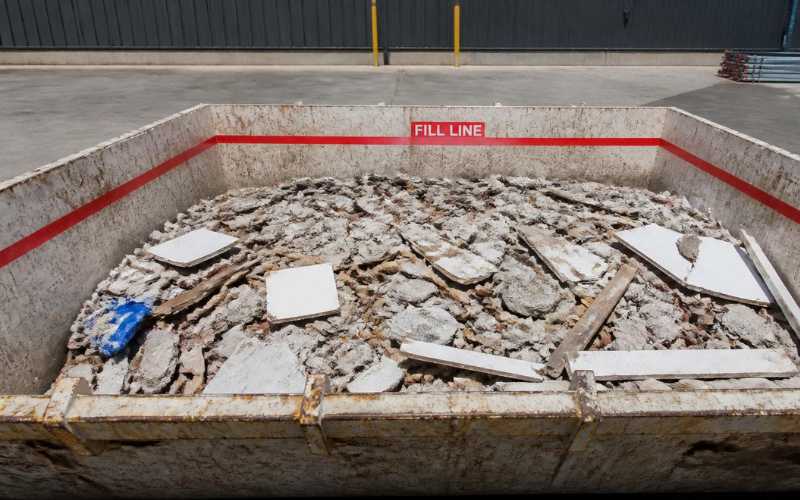
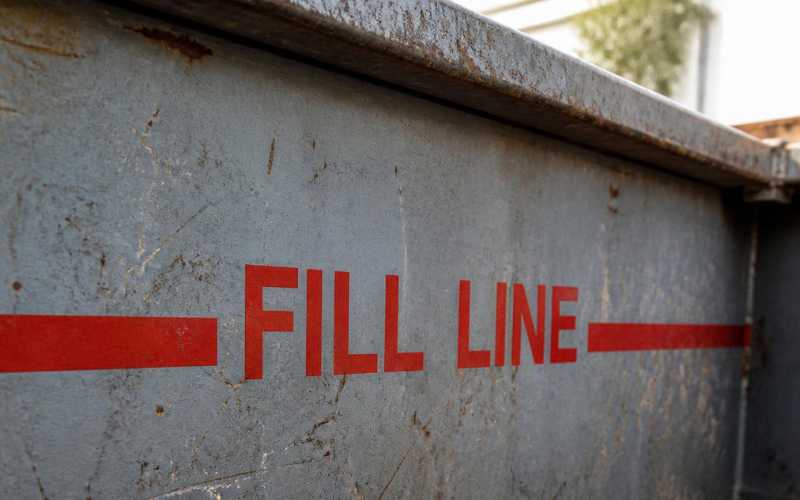
Every skip bin has a marked line on the inside, usually near the top edge. This is the fill line. It shows the maximum level waste can reach before the bin is considered full.
The fill line exists because each skip bin is tested for a safe load level. Filling waste above this line changes how the bin sits on the truck. It also increases the risk of material shifting or falling during transport.
At Best Bins, we mark this line clearly on every bin we deliver. Customers can see it at a glance, which removes any guesswork about how high they can load.
Why the Fill Line Exists
The fill line is a safety measure, not a formality. Waste piled above it can no longer be secured properly for transport.
Council and road transport regulations require loads to be safely covered or secured while being driven on public roads. A bin filled above the line often cannot be tarped correctly. This creates a real risk of debris falling onto the road during the trip to the tip or transfer station.
There is also a practical engineering reason. Skip bins are designed to sit and lift safely up to a certain load level. Beyond that, the imbalance can affect how the truck lifts and carries the bin.
What Happens on Collection Day If Your Bin Is Over the Line
Driver Inspection at Pickup
When a driver arrives to collect a skip bin, they check the fill level before loading it onto the truck. This is a standard part of every collection.
If the waste sits above the fill line, the driver has to make a decision on the spot.
Tarping Requirements and Why They Matter
Bins filled above the line usually cannot be tarped securely. Without a secure tarp, loose items can fall out during transport. This is both a safety risk and a breach of road transport rules.
On-the-Spot Decisions Drivers Have to Make
A driver facing an overfilled bin generally has three options:
- Ask the customer to remove waste until the level is safe
- Collect the bin only partially, leaving excess waste behind
- Refuse the collection entirely and reschedule once the bin is within the line
None of these outcomes are ideal for the customer. All three cause delays.
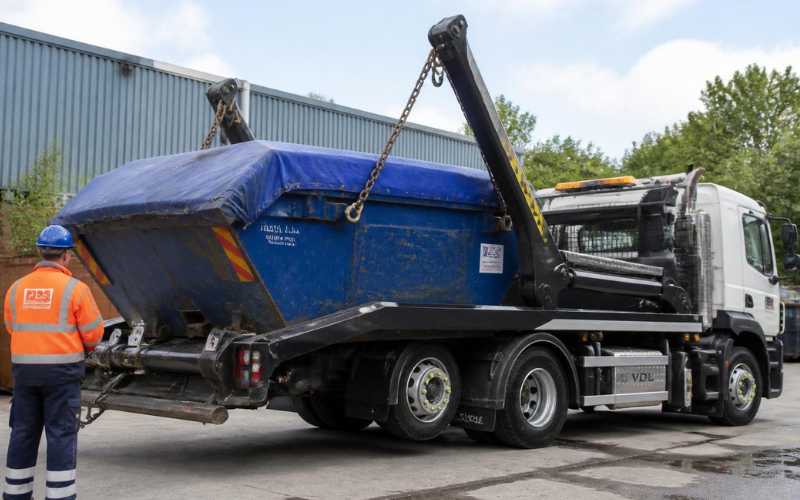
Volume vs Weight: Two Different Ways to Overfill
Overfilling is not only about how high the waste is stacked. It is also about how heavy that waste is.
Volume overfilling happens when waste is heaped above the fill line, even if it is lightweight.
Weight overfilling happens when dense material, such as soil, bricks, or concrete, exceeds the bin’s safe weight limit, even if the level sits below the fill line.
A bin can look perfectly acceptable from the outside and still be overweight. This is common with renovation waste, soil, and green waste, which are heavier than general household rubbish.
Each skip bin size has its own weight allowance. It is worth checking the specific limit for the bin size being hired before loading heavy material.
The Real Cost of Overfilling
Overfilling rarely saves money. In most cases, it adds cost.
- Return trips to collect rejected waste often come with an additional fee
- Some providers charge for excess weight at the tip, separate from the original hire cost
- Delayed collection can push back a renovation or clean-up timeline
For example, a customer arranging skip bin hire Port Stephens for a home renovation may plan for one collection date. If the bin is rejected on the day, the project timeline shifts, and an extra charge is often added for the return visit.
The Real Cost of Overfilling
Overfilling rarely saves money. In most cases, it adds cost.
- Return trips to collect rejected waste often come with an additional fee
- Some providers charge for excess weight at the tip, separate from the original hire cost
- Delayed collection can push back a renovation or clean-up timeline
For example, a customer arranging skip bin hire in Port Stephens for a home renovation may plan for one collection date. If the bin is rejected on the day, the project timeline shifts, and an extra charge is often added for the return visit.
What to Do If Your Bin Is Rejected
If a driver cannot collect an overfilled bin, there are a few practical next steps.
- Remove waste until the level sits below the fill line, then request collection again
- Book a second bin if there is genuinely more waste than one bin can hold
- Ask the provider about same-day resolution options, since some can send a second bin quickly
Customers arranging skip bins in Lake Macquarie for a larger clean-up often find that booking a second bin from the start is more efficient than risking a rejected pickup.
How to Choose the Right Size and Avoid Overfilling From the Start
The simplest way to avoid all of this is choosing the right bin size before the job begins.
- Estimate waste volume honestly, including bulky items
- Factor in whether the waste is light (general rubbish) or heavy (soil, concrete, bricks)
- When in doubt, choose the next size up rather than risk overfilling
This applies across residential, commercial, and industrial jobs alike. A construction site clearing heavy material has very different needs from a household doing a garage clean-out.
Best Bins’ size guide breaks down each bin’s dimensions and suitable use cases, which makes it easier to match the bin to the job. Customers arranging skip bins in Newcastle for renovation or landscaping projects can use this guide to confirm the right size before booking.
Best Bins’ Approach to Getting It Right the First Time
Overfilling a skip bin rarely works out the way people expect. What looks like a way to save money or avoid a second booking usually ends in a rejected pickup, an added fee, or a delayed project. The fill line exists for a reason, and staying within it keeps the job safe and on schedule.
Best Bins delivers every bin with a clearly marked fill line and a stated weight limit, so there is no guesswork on collection day. Our team can also help match the right bin size to the job from the start, whether it is a household clean-out, a renovation, or a commercial or industrial waste removal project.
If you are planning a job and are not sure which size to choose, get in touch with Best Bins before you book. It is a simple step that avoids rejected collections and unnecessary extra costs later.
Ready to book the right skip bin the first time? Contact Best Bins today for expert guidance on sizing, or browse our skip bin size guide to find the right fit for your next project.
Ready to book the right skip bin the first time?
Contact Best Bins today for expert guidance on sizing, or browse our skip bin size guide to find the right fit for your next project.