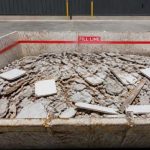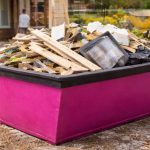
Once the skip bin is collected, most people assume the rubbish heads straight to landfill. It does not, at least not most of it.
A large portion of what goes into a skip bin is sorted, recovered, and recycled at licensed waste facilities before it ever gets close to a tip. Metals get stripped and melted down. Timber gets chipped into mulch. Concrete gets crushed into road base. The journey your waste takes after collection is longer and more useful than most people realise.
At Best Bins, we believe you should know exactly where your rubbish ends up. This guide walks you through the full process, from the moment we drive away to the final destination of every material type, so you can make smarter choices about how you load your bin and who you trust to collect it.
The Journey Begins: What Happens When the Skip Is Picked Up
When a skip bin is collected, it is loaded onto a hook-lift truck and transported directly to a waste transfer station or materials recovery facility (MRF). This is not landfill. It is a processing centre where garbage is inspected, processed, and separated before being transferred elsewhere.
The journey from your property to the facility typically takes just a few hours. From there, the work of separating and diverting usable material from true waste begins.
Most licensed skip bin operators, including Best Bins, work with accredited waste facilities that are designed specifically to maximise recovery and minimise landfill. The better the facility, the higher the recovery rate.
Inside the Sorting Facility: How Your Waste Gets Separated
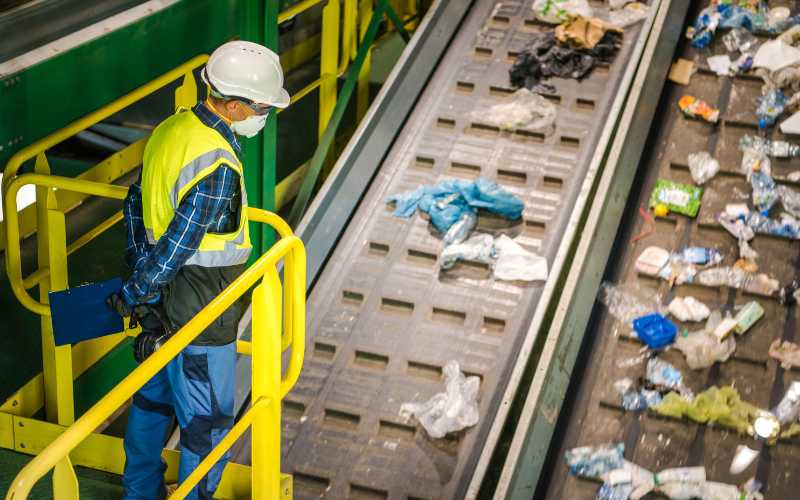
Waste facilities are far more sophisticated than most people imagine. When a skip load arrives, it goes through a structured sorting process before any of it is sent elsewhere.
Manual Sorting vs. Automated Sorting
Large facilities use a combination of both methods. Automated conveyor systems separate materials by size, weight, and type, pulling out metals, paper, and certain plastics with mechanical precision. Human sorters then work alongside the machinery to identify items that automated systems miss, particularly mixed or contaminated materials.
Smaller regional facilities often rely more heavily on manual sorting, which can still achieve strong diversion rates when the incoming waste is reasonably clean and well separated.
What Happens to Mixed General Waste
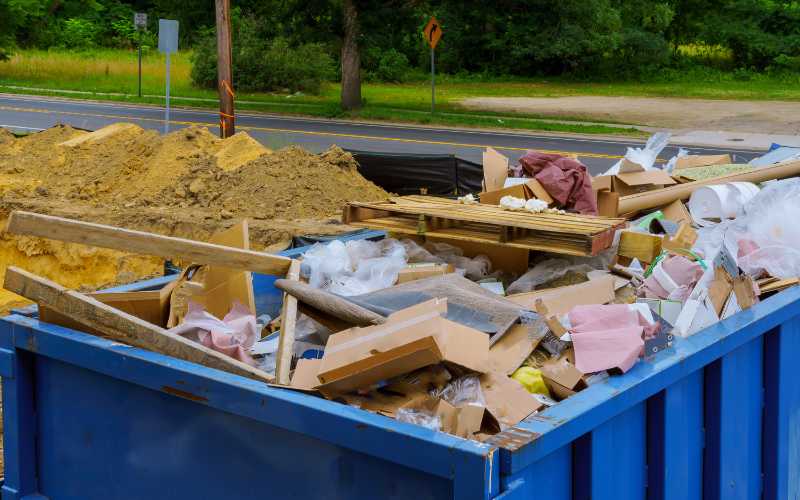
Mixed general waste, where household rubbish, timber, metal, and other materials are thrown in together, is the hardest category to process efficiently. Contamination reduces what can be recovered. Sorted loads, on the other hand, are far easier to process and result in much higher recycling rates.
This is why what you put in your skip and how you load it really affects where it ends up.
The Three Destinations for Skip Bin Waste
Once sorted, your waste will follow one of three paths.
Recycling: What Gets a Second Life
A substantial portion of skip bin waste is recyclable. According to the Australian Bureau of Statistics, Australia recovered around 60% of its total waste in recent years, with construction and demolition waste achieving some of the highest diversion rates. Common materials recovered from skip bins include:
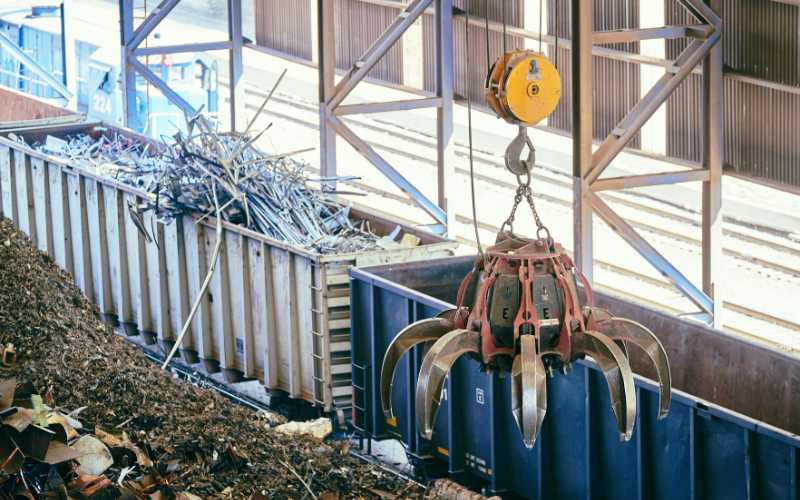
- Steel and metals: stripped out magnetically and sent to metal recyclers
- Timber: chipped into mulch or processed into engineered wood products
- Cardboard and paper: baled and shipped to paper mills
- Concrete and bricks: crushed into recycled aggregate for road base and construction fill
- Green waste: mulched or composted into garden and soil products
- Plastics: sorted by type and sent to plastics reprocessors
These materials need to be relatively clean and uncontaminated to be accepted by recyclers. Mixed or heavily soiled materials may be rejected.
Reuse and Repurposing: More Than You Would Think
Some materials are pulled out before they ever reach the sorting line because they still have usable value. Furniture, appliances, and building materials in reasonable condition may be diverted to second-hand resellers, community organisations, or reuse centres.
This is a growing part of the waste recovery ecosystem in Australia. Programmes such as the National Product Stewardship Scheme and state-based reuse networks mean old timber, bricks and even whitegoods can be given a new lease of life instead of winding up in landfill.
Landfill: The Last Resort
Not everything can be recycled or reused. Landfills will eventually receive contaminated materials, non-recyclable plastics, treated wood, and mixed waste that cannot be economically separated.
Licensed landfills in Australia are engineered and regulated facilities, not open dumping grounds. They include leachate management systems, gas capture infrastructure, and environmental monitoring. That said, landfill space is finite, costs are increasing, and diverting waste away from it is always the better outcome.
The less contamination in your skip bin, the less ends up on the ground.
What You Put In the Skip Actually Matters
One of the most common misconceptions about skip bin hire is that it does not matter how you load the bin because it all goes to the same place. That is not how it works.
Customers booking skip bin hire in Belmont and surrounding suburbs often ask us whether sorting their waste before loading makes a difference. It does, significantly. A load of clean timber is far easier to process and diverts almost entirely from landfill. The same load mixed with food waste, soft plastics, and general rubbish becomes much harder to recover.
Here’s what to keep out of your general skip bin to protect recycling rates:
- Hazardous materials such as paints, chemicals, oils, and asbestos
- Electronic waste
- Mattresses and tyres, which require specific waste streams
- Food waste in large quantities
- Liquids of any kind
Loading similar materials together, such as timber with timber and concrete with concrete, gives the facility the best chance of recovering as much as possible.
Green Waste, Concrete, and Soil: Special Streams Explained
Not all skip bin loads are general mixed waste. Specialised loads such as green waste, concrete, soil, and clean timber are handled through entirely separate processing streams, and they achieve much higher recovery rates as a result.
For customers organising skip bins in Cessnock and the Hunter Valley region, where land clearing, landscaping, and construction projects are common, these specialised bin types are frequently in demand. Here is how each stream is typically handled:
- Green waste: taken directly to composting or mulching facilities, turning garden cuttings and vegetation into usable soil products
- Concrete and bricks: crushed into recycled aggregate that is widely used in civil construction and road base
- Clean soil: screened and reused on other sites for earthworks, landscaping, or fill
- Clean timber: chipped into mulch or processed further depending on treatment status
Booking a dedicated bin type for these materials, rather than mixing them into a general load, is always the smarter environmental and economic choice.
How Responsible Skip Bin Companies Minimise Landfill
Not all skip bin operators are equal when it comes to waste diversion. The difference lies in which facilities they use, whether they hold proper licences, and whether they actively sort and separate loads.
At Best Bins, we work with licensed and accredited waste facilities that prioritise material recovery. Our loads go through structured sorting processes designed to divert as much as possible away from landfill.
This is important for clients looking to hire a skip bin in Port Stephens and the neighbouring coastal districts. Regional communities are particularly sensitive to waste impacts, and working with a responsible operator means your rubbish is not simply taking the easiest route to the nearest tip.
Questions worth asking any skip bin provider:
- Which waste facility do they use?
- Is that facility licensed and accredited?
- What is their approximate landfill diversion rate?
- Do they offer sorted or separated bin types?
A reputable provider will answer these questions clearly and confidently.
What You Can Do to Maximise Recycling From Your Skip
The sorting that happens at the facility can only work with what you give it. A few simple habits on your end can dramatically increase how much of your skip load gets recycled rather than landfilled.
Before you book:
- Consider whether a specific bin type such as green waste, concrete, or clean timber suits your project better than a general bin
- Estimate how much of each material type you will have, as it may be worth booking two smaller sorted bins over one large mixed load
While you load:
- Keep heavy materials like concrete and tiles at the bottom
- Do not contaminate clean material streams with food waste, chemicals, or liquids
- Separate metal where possible, as it is one of the most valuable recyclable materials
- Break down large items to make the most of your bin space
What to remove before loading:
- Batteries and electronics, which need separate e-waste streams
- Paint and chemical containers, as many local councils and retailers offer drop-off programs
- Asbestos, which requires a fully separate, licensed disposal process
Small actions at the loading stage translate directly into less landfill at the other end.
The Destination Is in Your Hands, and Ours
Most skip bin waste does not end its journey at a landfill. It passes through a chain of sorting, processing, and recovery before finding a new use as recycled aggregate under a road, as mulch in someone’s garden, or as steel in a new product.
The quality of that recovery depends on two things: the operator you choose and how you load your bin.
At Best Bins, we take our responsibility seriously. We work with accredited facilities, offer a range of bin types to support sorted loads, and give our customers straight answers about where their waste goes. Whether you are tackling a home renovation, a large landscaping job, or a commercial project, we are here to make sure your rubbish ends up somewhere better than the tip.
Ready to book a skip bin that works as hard as you do? Get a free quote from Best Bins today – fast delivery, fair pricing, and waste handled the right way.